
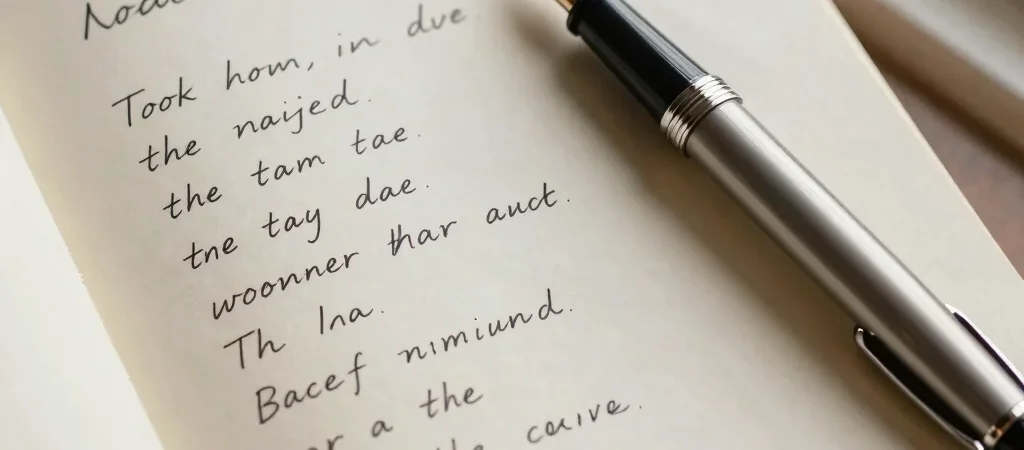
When we encounter a poem on the page, the physical layout speaks before the first word is read aloud. The surrounding white space is not empty void; it is active context that determines how a line settles into memory. In modern verse, line breaks and deliberate pauses function like breath marks in a musical score, guiding the reader through quiet transitions.
Giving the Written Word Room to Breathe
A dense block of text often demands rapid consumption, pushing the eye forward with restless speed. Verse requires a slower tempo where each line carries its own gravity. By honoring the margins and stripping away ornamental distraction, the poem reveals its core image with stark clarity.
The Resonance of Unprinted Space
What remains unwritten often holds as much significance as the stanzas themselves. The pause between stanzas allows quiet reflection to settle over the reader before the next image begins. This intentional pacing transforms reading from a passive routine into an intimate, reflective conversation.
Crafting Cadence Through Visual Pause
Poets select line endings not merely for syntax, but for the subtle tension created at the margin. A line ending on a verb creates anticipation, while a line ending on a quiet noun invites lingering. Approaching visual layout as an extension of craft ensures that every stanza earns its place on the page.